
How Tree Trimming Promotes Healthy Growth

How Tree Trimming Promotes Healthy Growth
Trees are often seen as low-maintenance parts of a landscape, quietly growing and providing shade year after year. But in reality, trees need regular care to stay strong, safe, and visually appealing. One of the most important aspects of that care is trimming. Understanding How Tree Trimming Promotes Healthy Growth can make the difference between a thriving tree and one that struggles over time.
Tree trimming is not just about appearance. It plays a direct role in improving tree structure, encouraging new growth, and preventing disease. When done correctly, it helps trees use their energy more efficiently and maintain balance.
In this comprehensive guide, we’ll explore the science, strategies, and real-world benefits behind proper trimming, along with expert-level tree maintenance best practices to help you care for your trees like a professional.
Why Tree Trimming Is Essential for Growth
Trees grow naturally, but that doesn’t mean they always grow efficiently. Without proper care, branches can become overcrowded, weak, or diseased.
This is where tree trimming benefits become clear. By removing unnecessary or damaged branches, you allow the tree to focus its energy on healthy growth. This improves both structure and vitality.
Trimming also increases sunlight exposure and air circulation within the canopy. These factors are essential for photosynthesis and overall tree health.
In simple terms, trimming helps trees grow smarter—not just bigger.
The Science Behind Healthy Tree Growth
To understand how tree trimming promotes healthy growth, it helps to look at how trees function.
Trees rely on a balance between roots, trunk, and branches. When branches become too dense or damaged, they can disrupt this balance.
By applying proper tree pruning techniques, you reduce stress on the tree and improve nutrient distribution. This allows healthier branches to grow stronger and more efficiently.
Additionally, trimming reduces competition among branches, ensuring that each part of the tree gets the resources it needs.
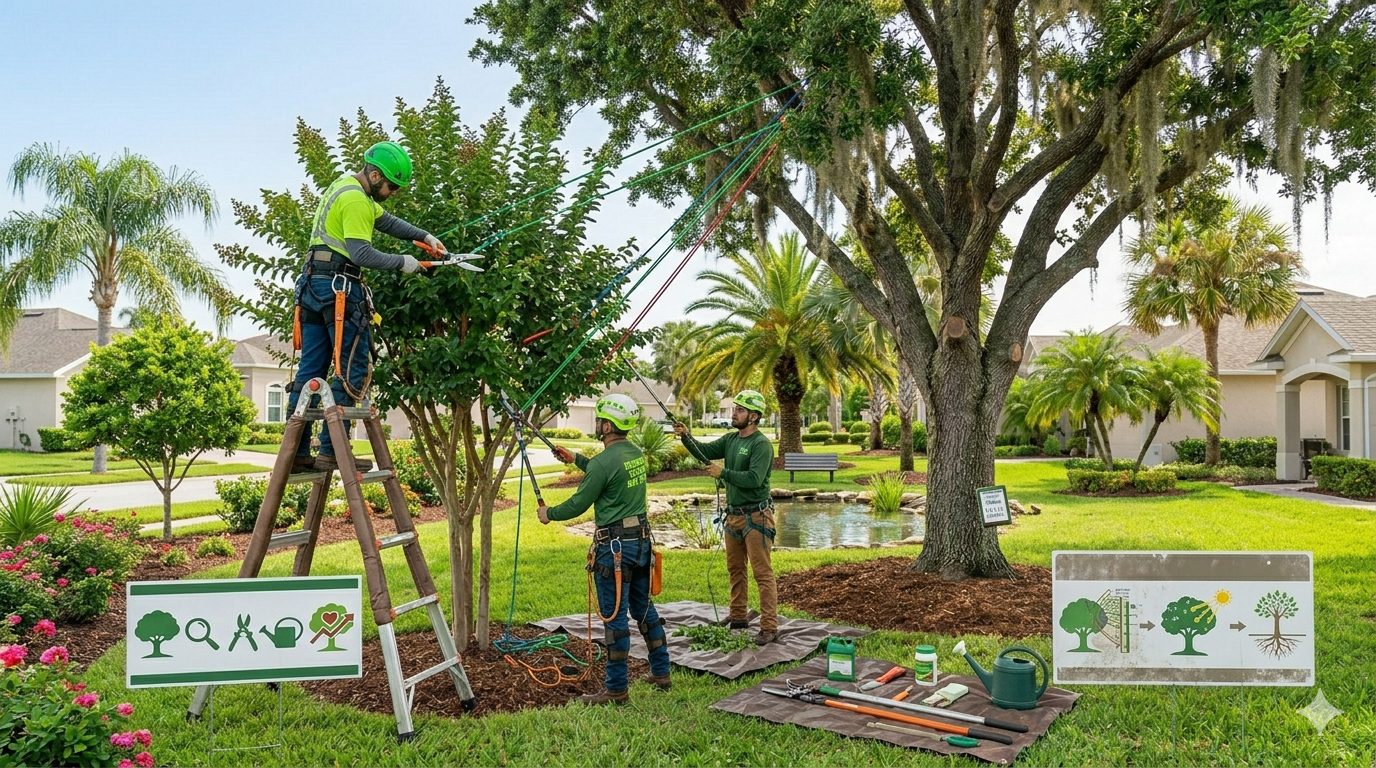
Removing Dead and Diseased Branches
One of the most important reasons for trimming is to remove dead or diseased branches.
These branches not only weaken the tree but can also spread disease to healthy areas. This is why tree health improvement methods often begin with careful inspection and removal of problem areas.
Dead branches also pose safety risks. They can fall unexpectedly, especially during storms or strong winds.
By removing them early, you protect both the tree and your property.
Improving Tree Structure and Stability
A well-structured tree is less likely to break or fall. This is another key aspect of tree care for growth.
Trimming helps shape the tree, guiding its growth in a balanced way. It prevents uneven weight distribution, which can lead to leaning or structural weakness.
This is especially important for young trees. Early trimming helps establish a strong framework that supports long-term growth.
In this way, trimming is not just maintenance—it’s an investment in the tree’s future.
Encouraging New Growth Naturally
One of the most powerful tree trimming benefits is its ability to stimulate new growth.
When certain branches are removed, the tree responds by producing new shoots. This is part of its natural survival mechanism.
This process helps promote tree growth naturally, leading to fuller canopies and healthier overall development.
However, balance is important. Over-trimming can stress the tree and reduce its ability to recover.
This is why understanding tree maintenance best practices is essential.
When to Trim Trees for Health
Timing plays a critical role in effective trimming.
Knowing when to trim trees for health ensures that the process supports growth rather than harming it.
Most trees benefit from trimming during their dormant season, typically late winter or early spring. This reduces stress and allows for strong regrowth in the following season.
However, some situations require immediate action. Dead or hazardous branches should be removed as soon as they are identified.
A proper seasonal tree trimming guide helps homeowners plan maintenance throughout the year.
Seasonal Tree Trimming Guide
Each season presents different opportunities and challenges for tree care.
In spring, trimming supports new growth and removes winter damage. Summer trimming helps control growth and improve shape.
Fall is generally reserved for light maintenance, while winter is ideal for major structural pruning.
Following a seasonal tree trimming guide ensures that your trees receive the right care at the right time.
Tree Maintenance Best Practices for Long-Term Health
Consistency is key when it comes to tree care.
Effective tree maintenance best practices include regular inspections, proper watering, and timely trimming.
Avoid cutting too much at once, as this can shock the tree. Instead, focus on gradual improvements over time.
Using the right tools is also important. Clean, sharp tools reduce the risk of infection and ensure precise cuts.
These practices help maintain healthy trees year after year.
Real-World Example: Transforming Tree Health Through Trimming
Consider a homeowner with a large tree in their backyard. Over time, the tree becomes dense and uneven, with several dead branches.
By applying proper tree pruning techniques, they remove damaged branches and reshape the canopy. Within months, the tree shows improved growth, stronger branches, and a healthier appearance.
This example highlights how simple trimming can lead to significant improvements.
How Professional Services Can Help
While basic trimming can be done independently, larger or more complex tasks often require expert knowledge.
This is where professional tree trimming services become valuable. Experts understand how to assess tree health, identify risks, and apply the right techniques.
Companies like Cornerstone Enterprises provide structured tree care solutions that prioritize both safety and long-term growth. Their experience ensures that trees are trimmed correctly without causing unnecessary stress.
Professional services are especially useful for large trees, high branches, or situations involving potential hazards.
If you want reliable results and peace of mind, working with experts can make a big difference.
Frequently Asked Questions
Does tree trimming really help trees grow faster?
Yes, trimming helps redirect energy to healthy branches, improving overall growth and structure.
How often should trees be trimmed?
Most trees benefit from trimming once a year, though frequency may vary depending on species and growth rate.
Can trimming damage a tree?
Improper trimming can cause stress or injury. This is why following proper tree pruning techniques is important.
Is it better to trim trees yourself or hire professionals?
For small tasks, DIY may be fine. However, large or complex trimming is safer and more effective with professional help.
Conclusion: Stronger Trees Start with Proper Care
Understanding How Tree Trimming Promotes Healthy Growth is essential for anyone who wants to maintain a safe and beautiful outdoor space. Trimming is not just about aesthetics—it’s a critical part of tree health and long-term development.
By removing dead branches, improving structure, and encouraging new growth, trimming helps trees thrive in ways that natural growth alone cannot achieve.
If you’re looking to improve your landscape, applying these techniques can make a noticeable difference. And for more advanced care, working with experienced professionals like Cornerstone Enterprises ensures that your trees receive the attention they need to grow strong and healthy.
Healthy trees don’t happen by accident—they are the result of consistent, informed care.